
Create Interactive Images with ThingLink


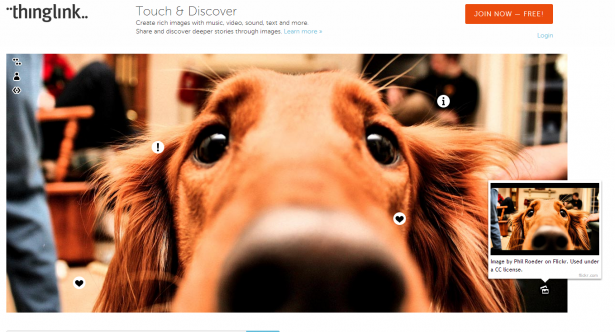
ThingLink is a new service that allows users to add interactive annotations to images to provide viewers with more context. I thought I'd try the service out and guide you through the steps of creating an interactive image.
Registration is easy and free. You can connect an existing social account (Facebook or Twitter), or create a new account.
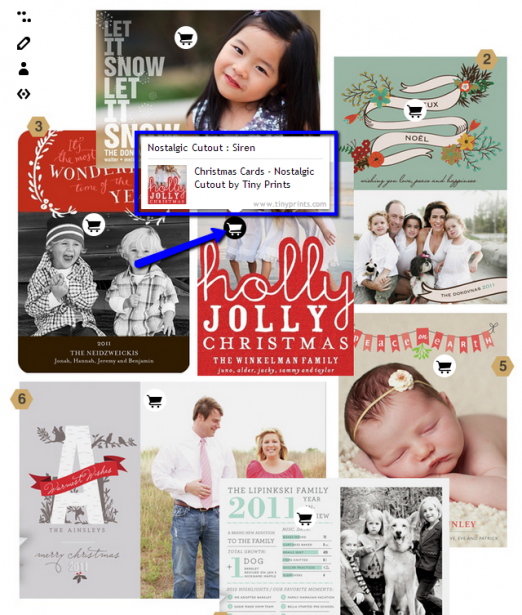
Once logged in, simply add or import an image to begin tagging. You can add text and links that provide more information for a viewer. For example, add a link to purchase a specific product in the photo, links to a website, Twitter handles, and more. ThingLink allows you to select various icons to associate with each tag -- a shopping cart to buy, a Twitter bird for a user -- making it easy to quickly and visually parse through the data provided.
Once you're done tagging, save the image and you're ready to share with your networks. If you'd rather embed the image, just right click on the image and copy/paste the embed code to your site or blog. Each image collects stats so you can track how many people clicked on a tag, hovered over a tag, embedded your image, or viewed the image. These simple analytics could provide some insight on user behaviors and how people interact with your site.
For bloggers and content producers that create guides, lists, and photo montages of products, ThingLink could be a useful tool to guide your readers back to the source of the image. Where can I purchase that item? Who originally took that photo?
The example below is a photo from a post I wrote on my personal blog last year sharing my top design picks for holiday cards. I created the image in Photoshop, and then included a list of links back to each individual product on the post itself. Using ThingLink (in addition to adding a list of links) could be a nicer, more visual way to display that information.
Here's my live interactive image:

Another way to use interactive images is for tutorials. Show step-by-step how to make a favorite recipe and link to all of the ingredients or cool kitchen gadgets used. You can also point out features of a software application using screen shots and draw a reader's attention to specific details that might be overlooked.
The possibilities are endless, and when it takes less than five minutes to create an image, you really can't go wrong trying it out for yourself.
Related Resources

13 Digital Marketing Predictions for 2025
Top Industry Voices Share Their 2025 Digital Marketing Trend Predictions As digital marketers, we know a new year brings new goals, new opportunities for growth, and new challenges. But a new year also brings plenty of change. Whether it’s advancements […]

B2B Marketing With the Rise of Gen Z: Navigating the Digital Native Workforce
Explore the unique challenges & opportunities of marketing to Gen Z in the B2B space. Discover how these digital natives are reshaping the professional world & what it means for marketing strategies. Stay ahead in the era of Gen Z with expert insights.
5 Steps to Conduct a Successful Social Media Audit
Are your social media platforms in need of a refresh? Follow these 5 steps to audit and optimize your platforms for success.
5 Tips for Getting the Most Out of the LinkedIn Ads Campaign Manager
Read these 5 ways you can leverage the insights in the LinkedIn Ads Campaign Manager to manage and optimize your LinkedIn ads.
23 Of The Best Resources For Starting A Digital Marketing Career
The best social media communities, podcasts, newsletters, and certifications for new digital marketers I didn’t know anything about digital marketing when I started as an intern at Cypress North earlier this year. Acronyms like SEO, CPA, and ROAS meant nothing […]

Pinterest as a Search Engine: An Advertisers’ Guide to Keyword Targeting in Pinterest Ads
Pinterest – the land of dream wedding dresses, instant pot recipes, room inspo, and… SERPs? Pinterest is so much more than a social media platform. Yes, the platform allows users to like, share, and discover new content based on their […]
How to Transform Your Static Images into Animated Video Ads With Facebook’s Video Creation Kit
As the digital space continues to evolve, video has become more dominant than ever before. Attention spans are shorter, people expect to be entertained, and messaging must be communicated in a fascinating way. For businesses with limited time and budget, […]
Best Digital Marketing Podcasts
Whether you're focused on SEO, PPC, social media, content, or affiliate marketing, podcasts are a great way to stay competitive in the dynamic digital marketing landscape. Finding a reliable program to consume from your car, desk, or treadmill allows you […]

Precisely Target Your Ideal B2B LinkedIn Audience With One Powerful Tool
LinkedIn is an incredible tool for B2B marketers due to its unique targeting; namely professional information like job titles and company industries. I’m sure you’ve spent precious time crafting your audiences, but targeting is just the beginning. Arguably, audience exclusions […]
Facebook Ads Budget Optimization: Everything You Need To Know
Facebook has major news for advertisers. Come September 2019, account managers will no longer be able to set budgets at the Ad Set level in Facebook Ads. Instead, Facebook's Campaign Budget Optimization will become the default setting for all campaigns, […]
Deep Dive: Reddit Ads Update
With this Reddit Ads update, Reddit expressed interest in offering more options for marketers but did this update miss the mark? We're diving deep into what the update includes, how to navigate it, and how you should adjust your Reddit […]
Digital Marketing in 2019: What to Watch For
The Pros Rampant Responsive One of the biggest boons for advertisers in 2018 was the ability to optimize campaigns by moving away from standard banner sizes and utilizing responsive display ad formats. The proliferation of flexible ads such as Facebook […]
How To (Properly) Share Access to Pages & Ad Accounts in Facebook Business Manager
Facebook's Business Manager has been a boon for advertisers and agencies across the world. With simple sharing, no transferring of ownership, easy transition from client to client and easy employee access, there's not a lot to complain about. The only […]
Why You Shouldn’t Use Facebook Groups To Build a Community
Never have Facebook Groups been more prevalent than they are today. It seems like every podcast you listen to and site you visit is pushing fans, listeners, and visitors to follow along in a Facebook Group. It’s true, Facebook Groups […]

Instagram for Business: Pros and Cons of Instagram's Changing Platform
The Marriage of Facebook and Instagram Instagram has had quite the last 4 years. When Facebook originally acquired Instagram for $1 billion in 2012, not much initially changed for the platform. Nonetheless, it was clear that with Facebook's back-to-back purchase of […]

What to Do If You Accidentally Claimed a Facebook Page/Ad Account Instead of Requesting Access
Facebook Business Manager is a fantastic tool that makes managing clients a dream. Companies can quickly give or terminate access to employees in a single location. In order to perform this task however, access must be requested to an account. […]

13 Tips For Getting The Most From Facebook Live Posts
In a world of decimated brand reach, a new tool has risen that brings Facebook exposure back. Facebook Live has arrived and has been a boon for marketers looking to attract eyeballs to brand posts. While this new post type […]

Download or Disregard - Wishbone: A Guide to the "Hot" New App We Really Wish Would Go Away
App name: Wishbone Wishbones. Those slimy crescent shaped bones that you and your siblings would fight over to break in half and see whose side was larger (and more importantly, whose wish would come true). That is loosely the thinking behind […]

Interview: Tips & Tricks On How To Properly Market On Reddit
Most marketers believe that Reddit will never work for them. That's simply not true. I was recently asked some questions by David Kirkpatrick of MarketingSherpa alongside the great Brent Csutoras of Kairay Media. The interview covers the following Reddit-related topics: […]

Facebook's Pay-to-Play Model: Why You Should Reassess Your 2014 Organic Social Marketing Plan
The goal of any type of marketing is to sell product. Period. That includes marketing with social media. Whether through awareness, buzz, brand building, or general goodwill, we use social media to promote ourselves and our product. This is an […]